Contents
Higashiyama Zoo(東山動植物園)
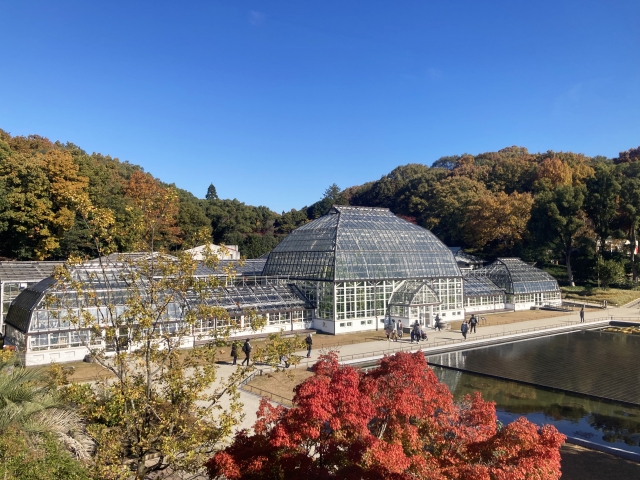
Higashiyama Zoo and Botanical Gardens in Nagoya is a beloved destination for viewing autumn foliage for several compelling reasons:
Diverse Collection of Trees: The botanical gardens feature an impressive variety of deciduous trees, including Japanese maples (momiji), ginkgo trees, and other species that display vibrant reds, oranges, and yellows during fall. This diversity creates a stunning tapestry of colors throughout the grounds.
Combination Attraction: Unlike standalone parks, Higashiyama offers a unique experience where visitors can enjoy both wildlife and nature in one location. Families can observe animals at the zoo while also taking leisurely strolls through the colorful autumn landscapes, making it an ideal full-day outing.
Well-Maintained Gardens: The botanical section is meticulously maintained, with carefully planned viewing spots and walking paths that showcase the foliage at its best. The gardens include traditional Japanese garden elements that complement the autumn colors beautifully.
Accessibility: Located in Nagoya, it’s easily accessible by public transportation, making it convenient for both local residents and tourists to visit during the peak foliage season, which typically occurs from mid-November to early December.
Family-Friendly Atmosphere: The combination of educational opportunities (learning about animals and plants), recreational activities, and natural beauty makes it particularly appealing to families with children, creating memorable autumn experiences for all ages.
The seasonal transformation of the landscape, combined with the zoo’s attractions, creates a distinctive and enchanting atmosphere that draws visitors year after year during autumn.
Tsurumai Park(鶴舞公園)
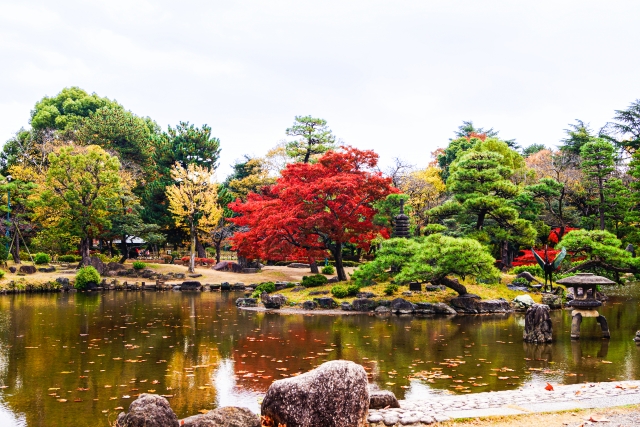
Historic Significance: Established in 1909, Tsurumai Park is one of Nagoya’s oldest public parks and holds a special place in the city’s cultural heritage. Its long history has allowed for mature tree growth, creating spectacular seasonal displays.
Central Location: The park is conveniently located near Tsurumai Station, making it extremely accessible from anywhere in Nagoya. This central location attracts both locals and visitors who can easily incorporate a foliage-viewing visit into their daily activities.
Diverse Landscape Features: The park boasts a beautiful blend of Western and Japanese garden elements. During autumn, the contrast between the European-style fountain plaza and the traditional Japanese tea house (Shoun-tei) surrounded by colorful foliage creates a unique aesthetic experience.
Variety of Trees: Tsurumai Park features numerous tree species that turn brilliant colors in fall, including zelkova, ginkgo, and various maple varieties. The different trees peak at slightly different times, extending the viewing season.
Cherry Trees Transform Too: While famous for spring cherry blossoms, the park’s many cherry trees also contribute to the autumn display with their own color changes, offering a different perspective on these beloved trees.
Free Admission and Open Spaces: As a public park with no entrance fee, Tsurumai Park welcomes everyone. The spacious grounds allow for leisurely walks, picnics, and photography without feeling crowded, even during peak season.
Cultural Events: The park often hosts seasonal events and festivals during autumn, adding entertainment and cultural experiences to the natural beauty of the foliage.
This combination of accessibility, natural beauty, historical charm, and free admission makes Tsurumai Park a beloved autumn destination for people of all ages in Nagoya.
Shirotori Garden (白鳥庭園)
Authentic Japanese Garden Design: Shirotori Garden is a traditional Japanese landscape garden (chisen kaiyushiki teien) that represents the scenic beauty of central Japan, from the mountains to the sea. The carefully designed layout creates perfect viewing angles for the autumn colors, with every perspective thoughtfully composed.
Stunning Reflections: The garden features a large central pond that creates mirror-like reflections of the colorful foliage. The combination of vibrant red and orange maples reflected in the calm water surface produces breathtaking photographic opportunities and a serene viewing experience.
Strategic Tree Placement: The garden’s landscape architects strategically placed Japanese maples and other deciduous trees throughout the grounds to create dramatic color contrasts against evergreens, rocks, and water features. This intentional design maximizes the visual impact of autumn colors.
Evening Illuminations: During peak autumn season, Shirotori Garden often hosts special nighttime illumination events (yoru no kouyo), where the colored leaves are artistically lit up. This creates a magical, romantic atmosphere that’s entirely different from daytime viewing and attracts couples and photography enthusiasts.
Traditional Architecture: The garden includes authentic tea houses and traditional structures that complement the autumn scenery. The sight of red maple leaves against the backdrop of traditional Japanese architecture evokes classic scenes from historical Japan.
Peaceful Atmosphere: Unlike larger parks that can become crowded, Shirotori Garden maintains a tranquil, contemplative environment. The admission fee helps control visitor numbers, ensuring a more intimate and meditative experience with nature.
Tokugawa Garden(德川園)
Tokugawa Garden in Nagoya is a prestigious destination for experiencing autumn foliage for several exceptional reasons:
Historical Prestige: Originally part of the Owari Tokugawa family estate, one of the most powerful branches of the Tokugawa shogunate, the garden carries centuries of history and aristocratic heritage. Visitors can experience autumn colors in a setting once enjoyed by feudal lords, adding historical depth to the natural beauty.
Daimyo Garden Style: As an authentic daimyo (feudal lord) garden, Tokugawa Garden exemplifies the pinnacle of Japanese landscape design. The sophisticated composition features carefully positioned maples, meticulously pruned trees, and scenic viewpoints that showcase autumn colors with aristocratic elegance.
Dragon Gate Waterfall: The garden’s centerpiece, Ryumon no Taki (Dragon Gate Waterfall), becomes even more dramatic when framed by brilliant autumn foliage. The cascading water surrounded by red and gold leaves creates a dynamic and memorable scene that captures the essence of Japanese seasonal beauty.
Pond Reflections and Island Views: The large central pond features islands and bridges that offer multiple vantage points for viewing the autumn colors. The reflections of fiery maples in the water, combined with traditional stone lanterns and bridges, create picture-perfect compositions at every turn.
Premium Maple Collection: The garden boasts an impressive collection of Japanese maples (momiji) of various cultivars, ensuring a rich palette of colors from deep crimson to bright orange and golden yellow. The variety creates layers of color throughout the garden.
Adjacent Tokugawa Art Museum: Visitors can combine their autumn garden experience with viewing the Tokugawa family’s priceless art collection, including national treasures. This cultural enrichment adds intellectual depth to the aesthetic pleasure of foliage viewing.
Traditional Tea Houses: The garden features authentic tea houses where visitors can enjoy matcha and traditional sweets while overlooking the autumn landscape. This immersive experience allows guests to appreciate the garden through the lens of traditional Japanese tea culture.
Intimate Scale: While spacious, Tokugawa Garden maintains a more intimate atmosphere than larger public parks. The admission fee ensures a refined, uncrowded experience where visitors can fully absorb the tranquil beauty without distractions.
Evening Illuminations: During peak autumn season, the garden often hosts special nighttime illumination events where the colored leaves, waterfall, and historic features are artistically lit. The dramatic lighting transforms the garden into an enchanting nocturnal landscape.
Meticulous Maintenance: The garden receives exceptional care, with expert gardeners ensuring that every tree, stone, and water feature is maintained to perfection. This attention to detail ensures the autumn display reaches its full aesthetic potential.
Seasonal Harmony: The garden design emphasizes the Japanese aesthetic concept of seasonal awareness (shiki). The autumn foliage isn’t just beautiful—it represents a deeper appreciation for nature’s cycles and the poignant beauty of transience (mono no aware).
The combination of samurai-era heritage, masterful landscape design, cultural facilities, and impeccably maintained grounds makes Tokugawa Garden one of Nagoya’s most refined and culturally significant autumn destinations. It offers not just a viewing experience, but a journey into Japan’s aesthetic and historical heart.
Nagoya Castle (名古屋城)
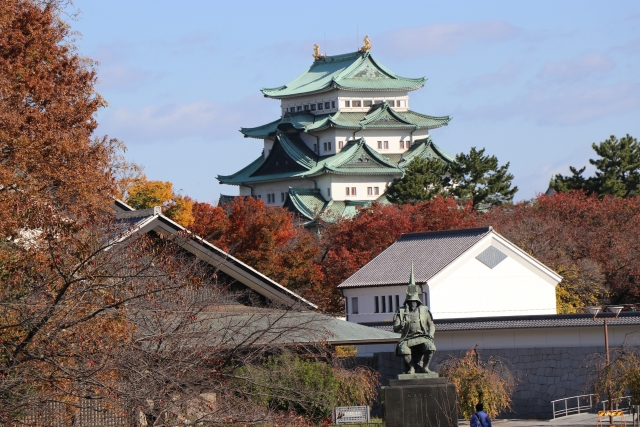
Nagoya Castle is a captivating destination for experiencing autumn foliage for several compelling reasons:
Iconic Castle Architecture: The magnificent castle with its distinctive golden shachihoko (golden dolphin-like roof ornaments) provides a stunning backdrop for autumn colors. The contrast between the white castle walls, green copper roofs, and brilliant red and gold foliage creates a quintessentially Japanese scene that embodies both natural and architectural beauty.
Historical Grandeur: As one of Japan’s most important castles, built in 1612 by Tokugawa Ieyasu, Nagoya Castle carries immense historical significance. Viewing autumn foliage within such a storied setting adds layers of cultural depth and allows visitors to imagine how feudal lords once enjoyed the seasonal changes in these same grounds.
Expansive Castle Grounds: The vast castle park features numerous walking paths lined with ginkgo trees, maples, and other deciduous species. The spacious grounds allow visitors to explore different areas, each offering unique perspectives on both the castle and the autumn landscape.
Ninomaru Garden: The reconstructed Ninomaru Garden, a traditional Japanese garden within the castle grounds, showcases autumn colors in a more intimate setting. The garden’s tea houses, ponds, and carefully arranged trees create serene viewing spots that complement the castle’s imposing presence.
Golden Ginkgo Trees: The castle grounds are particularly famous for their magnificent ginkgo trees, which turn brilliant golden yellow in autumn. These towering trees create dramatic golden corridors and carpets of yellow leaves that contrast beautifully with the castle architecture.
Moat Reflections: The castle’s wide moats provide mirror-like reflections of both the castle and surrounding autumn foliage, doubling the visual impact. Walking along the moat paths offers continuously changing perspectives of this reflected beauty.
Photography Paradise: The combination of historic architecture, stone walls, moats, and colorful foliage makes Nagoya Castle one of the most photogenic locations in the city during autumn. Both amateur and professional photographers flock here to capture the seasonal beauty.
Cultural Events: The castle often hosts seasonal festivals and events during autumn, including traditional performances, craft markets, and historical reenactments. These activities add entertainment value and cultural enrichment to the foliage-viewing experience.
Accessible Urban Location: Located in the heart of Nagoya with excellent public transportation access, the castle is convenient for both residents and tourists. Its central location makes it easy to include in a broader sightseeing itinerary.
Educational Value: Visitors can explore the castle museum and learn about samurai history while enjoying the autumn scenery, combining education with natural beauty. This makes it particularly appealing for families and history enthusiasts.
Symbol of Nagoya: As the city’s most recognizable landmark, experiencing autumn at Nagoya Castle connects visitors to Nagoya’s identity and pride. The seasonal transformation of this iconic site represents the city’s appreciation for both heritage and natural beauty.
The powerful combination of feudal-era grandeur, magnificent golden ginkgo displays, expansive grounds with diverse viewing opportunities, and deep historical significance makes Nagoya Castle one of Nagoya’s most popular and memorable autumn destinations. It offers a complete experience where Japan’s architectural heritage and natural seasonal beauty unite in spectacular harmony.
Meijo Park (名城公園)
Castle Views Combined with Nature: Meijo Park surrounds Nagoya Castle, offering spectacular views of the historic castle framed by autumn colors. Visitors can enjoy the best of both worlds—the architectural grandeur of the castle and the natural beauty of seasonal foliage in one expansive location.
Extensive Green Space: As one of Nagoya’s largest urban parks, Meijo Park provides vast open areas perfect for leisurely walks, jogging, or cycling while surrounded by autumn colors. The spacious layout means visitors never feel cramped, even during peak viewing season.
Diverse Tree Species: The park features a wide variety of trees including zelkova, ginkgo, maple, and cherry trees. This diversity creates a rich tapestry of colors—from golden yellows to fiery reds and burnt oranges—that evolve throughout the autumn season.
Beautiful Moat Promenade: The park encompasses the outer moat of Nagoya Castle, and walking along these moat paths during autumn is particularly enchanting. The water reflects the colorful trees, while the historic stone walls add a sense of timelessness to the experience.
Popular Recreation Spot: Beyond foliage viewing, Meijo Park is a hub for various activities. Visitors can see people practicing sports, families picnicking, and children playing—all against the backdrop of autumn colors. This lively atmosphere makes the park feel welcoming and vibrant.
Cherry Trees in Autumn: While famous as a cherry blossom spot in spring, the park’s numerous cherry trees also contribute to the autumn display with their own color transformations. The leaves turn yellow and reddish hues, offering a different perspective on these beloved trees.
Free and Accessible: As a public park with no admission fee, Meijo Park is accessible to everyone. Multiple entrances and proximity to subway stations make it convenient for spontaneous visits.
Perfect for Exercise Enthusiasts: The park features a popular jogging circuit that attracts runners and walkers year-round. During autumn, exercising while surrounded by colorful foliage makes the experience especially enjoyable and motivating.
Bicycle-Friendly: The park’s well-maintained paths are ideal for cycling, allowing visitors to cover more ground and experience the autumn colors from different perspectives. Many people enjoy leisurely bike rides through the golden and red canopies.
Family-Friendly Facilities: With playgrounds, open lawns, and plenty of benches, Meijo Park caters to families with children. Parents can relax and enjoy the autumn scenery while kids play safely in the designated areas.
Photography Opportunities: The combination of castle views, tree-lined paths, moat reflections, and open spaces provides endless photographic possibilities. Both sunrise and sunset create magical lighting conditions that enhance the autumn colors.
Local Community Atmosphere: Unlike tourist-focused spots, Meijo Park maintains a strong local character. Watching residents going about their daily routines—walking dogs, exercising, or meeting friends—while surrounded by autumn beauty offers an authentic glimpse into Nagoya life.
Seasonal Events: The park occasionally hosts autumn festivals, outdoor markets, and community events that coincide with the foliage season, adding cultural and social dimensions to the natural beauty.
The combination of expansive green space, castle proximity, diverse tree species, free access, and its role as a beloved community gathering place makes Meijo Park one of Nagoya’s most popular and accessible autumn destinations. It offers a relaxed, authentic experience where natural beauty and daily life harmoniously coexist.
Korankei(香嵐溪)
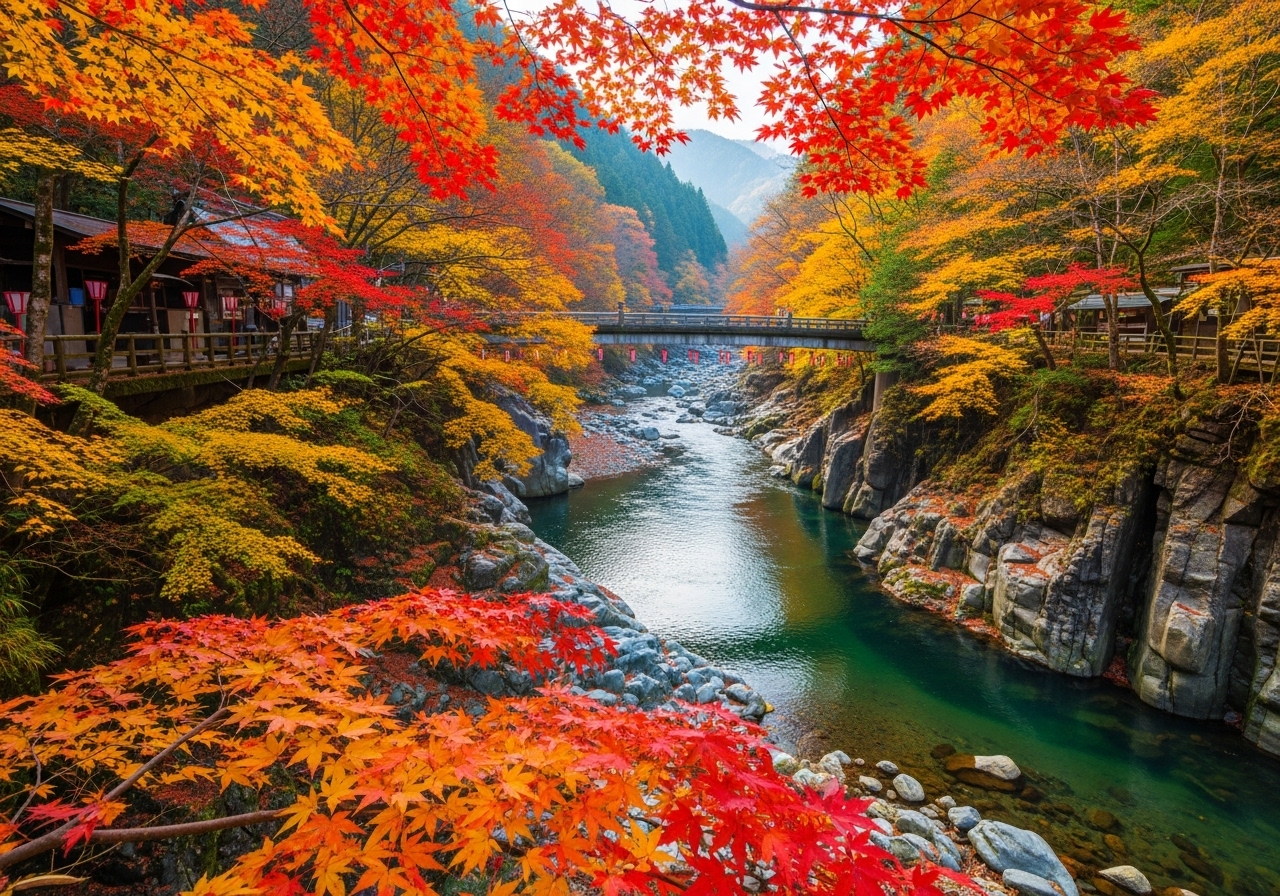
I’ll explain why Korankei is popular for autumn foliage viewing in English.
Korankei in Toyota City, Aichi Prefecture, is widely considered one of the most spectacular autumn foliage destinations in the entire Tokai region for several extraordinary reasons:
Overwhelming Scale of Maples: Korankei features approximately 4,000 Japanese maple trees that create an absolutely stunning canopy of red, orange, and yellow. This massive concentration of maples transforms the entire valley into a sea of brilliant colors, offering an immersive foliage experience that’s hard to match anywhere else in the region.
Historic Temple Setting: At the heart of Korankei stands Kojaku-ji Temple, a Buddhist temple with over 380 years of history. The temple’s monks began planting maple trees along the Tomoe River in the 17th century as an act of devotion, giving the site deep spiritual and historical significance that enhances the viewing experience.
Dramatic Gorge Landscape: The Tomoe River flows through a scenic gorge lined with maple trees on both banks. The natural topography creates dramatic elevation changes and varied viewpoints, allowing visitors to experience the autumn colors from riverside paths, bridges, and hillside vantage points.
Iconic Taigetsukyo Bridge: This vermillion-colored arched bridge crossing the Tomoe River has become the symbolic image of Korankei. The bridge surrounded by fiery maple leaves creates one of Japan’s most photographed autumn scenes, perfectly embodying the aesthetic harmony between human craftsmanship and nature.
River Reflections: The clear waters of the Tomoe River mirror the overhanging maple trees, creating breathtaking double images of the autumn colors. Walking along the riverside paths while enjoying these reflections offers a constantly changing and mesmerizing visual experience.
Spectacular Night Illuminations: During peak season (usually mid-November to late November), Korankei hosts extensive nighttime illumination events. The maples are artistically lit up, transforming the gorge into an enchanted, almost otherworldly landscape. The illuminated trees reflected in the dark river create a magical atmosphere that attracts visitors specifically for the nighttime experience.
Perfect Peak Timing: Korankei’s foliage typically reaches its peak in mid-to-late November, which is ideal timing for visitors. The reliable schedule allows people to plan trips with confidence, and the extended viewing season accommodates different schedules.
Traditional Autumn Festival: The annual Korankei Maple Festival (Momiji Matsuri) runs throughout the autumn season, featuring local food stalls, traditional crafts, performances, and regional specialties. This festival atmosphere adds cultural richness and entertainment to the natural beauty.
Local Delicacies: Visitors can enjoy regional specialties like gohei-mochi (grilled rice cakes with sweet miso sauce), sansai (mountain vegetables), and ayu fish (sweetfish), making the trip a complete sensory experience that combines visual beauty with culinary delights.
Mountain Village Atmosphere: Unlike urban parks, Korankei retains a rustic, mountain village character. Traditional houses, small shops, and the natural setting create an authentic countryside atmosphere that offers escape from city life.
Multiple Viewing Trails: The area features various walking trails of different lengths and difficulty levels, from easy riverside strolls to more challenging hillside paths. This variety accommodates everyone from families with young children to serious hikers seeking the best panoramic views.
Historical Continuity: The fact that monks have been tending these trees for centuries creates a sense of connection to the past. Visitors aren’t just seeing beautiful trees—they’re experiencing a living tradition of environmental stewardship and aesthetic cultivation.
Regional Pride: Korankei is a source of tremendous local pride for Aichi Prefecture and is regularly ranked among Japan’s top autumn foliage destinations in national surveys. This reputation attracts visitors from across Japan and internationally.
Manageable Distance from Nagoya: Located about an hour from Nagoya by car or public transportation, Korankei is close enough for a day trip yet far enough to feel like a genuine escape into nature. This accessibility makes it popular with both locals and tourists.
Photography Mecca: The combination of abundant maples, dramatic landscapes, historic structures, and excellent lighting conditions makes Korankei a paradise for photographers. During peak season, you’ll find everyone from casual smartphone users to professional photographers with elaborate equipment capturing the scenery.
The extraordinary concentration of 4,000 maple trees, the dramatic river gorge setting, spectacular illuminations, deep historical roots, and festival atmosphere combine to make Korankei not just a viewing spot but a complete autumn experience. It represents the pinnacle of Japanese autumn aesthetics—where centuries of human cultivation enhance rather than diminish natural beauty, creating harmony between culture and nature that defines the best of Japanese landscape appreciation.
Koshoji Temple(興正寺)
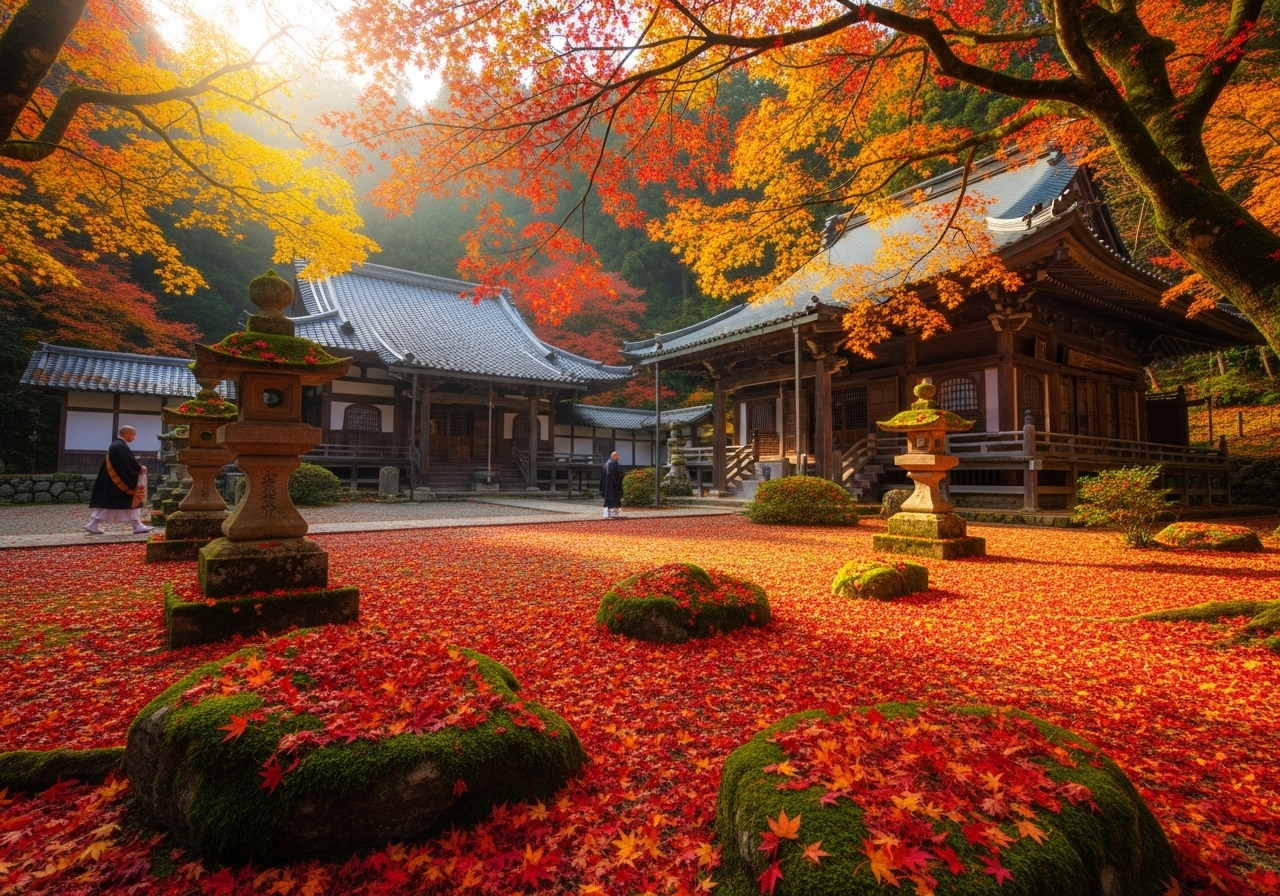
Koshoji Temple in Nagoya is a cherished destination for experiencing autumn foliage for several distinctive reasons:
Historic Temple Atmosphere: Founded in 1686, Koshoji is a significant Buddhist temple of the Shingon sect with over 300 years of history. The temple’s sacred atmosphere and traditional architecture provide a spiritual dimension to autumn foliage viewing, allowing visitors to experience the colors within a context of contemplation and tranquility.
Five-Story Pagoda: The temple’s impressive five-story pagoda, a relatively rare sight in Nagoya, creates a stunning focal point when framed by autumn colors. The contrast between the elegant pagoda architecture and the vibrant red and gold foliage embodies classic Japanese aesthetic harmony.
Temple Garden Beauty: Koshoji features beautifully maintained temple gardens with carefully placed Japanese maples and ginkgo trees. The traditional garden design maximizes the visual impact of the autumn colors through strategic tree placement, stone arrangements, and viewing angles refined over centuries.
Spiritual Serenity: Unlike busy public parks, Koshoji maintains a peaceful, meditative atmosphere befitting a working temple. The combination of autumn beauty and spiritual tranquility offers visitors a chance to slow down and mindfully appreciate the seasonal changes.
Autumn Night Illuminations: During peak foliage season, Koshoji hosts special nighttime illumination events where the temple grounds, pagoda, and colored leaves are artistically lit. These evening events create a mystical, romantic atmosphere that transforms the temple into an enchanted landscape.
Ginkgo Tree Displays: The temple grounds feature magnificent ginkgo trees that turn brilliant golden yellow in autumn. The sight of golden ginkgo leaves carpeting the temple grounds and surrounding the historic buildings creates memorable visual compositions.
Accessible Urban Location: Situated in Nagoya’s Yagoto area with convenient access via the Sakura-dori subway line, Koshoji is easily reachable for both residents and visitors. This accessibility makes it a popular choice for those seeking temple atmosphere without traveling far from the city center.
Traditional Temple Events: Visitors may encounter traditional Buddhist ceremonies, temple markets, or seasonal festivals during their visit, adding cultural depth to the foliage-viewing experience. These authentic religious practices provide insight into living Japanese spiritual traditions.
Photography with Architectural Elements: The combination of pagoda, temple halls, stone lanterns, and colorful foliage creates exceptional photographic opportunities. The architectural elements provide strong compositional anchors that elevate autumn photos beyond simple nature shots.
Relatively Uncrowded: Compared to more famous tourist destinations, Koshoji offers a more intimate viewing experience. While popular with locals who appreciate its beauty, it doesn’t suffer from the overwhelming crowds that can diminish the experience at major attractions.
Cherry Trees in Autumn: Though celebrated for spring cherry blossoms, the temple’s cherry trees also contribute to the autumn palette with their own color transformations, displaying yellows and subtle reds that complement the more dramatic maple displays.
Cultural Authenticity: As an active temple rather than just a tourist site, Koshoji provides an authentic glimpse into Japanese religious and cultural life. Observing worshippers paying respects while enjoying the autumn scenery adds meaningful context to the visit.
Seasonal Mindfulness: The Buddhist setting naturally encourages reflection on impermanence and the beauty of transient things—a concept central to Japanese aesthetics (mono no aware). Autumn foliage at a temple becomes not just visual enjoyment but a meditation on life’s cycles.
The combination of historic temple architecture, including the distinctive five-story pagoda, spiritual atmosphere, beautiful illuminations, and accessible location makes Koshoji Temple one of Nagoya’s most meaningful and atmospheric autumn destinations. It offers visitors a chance to experience autumn colors not merely as natural phenomena but as part of Japan’s living spiritual and cultural heritage, where beauty and contemplation intertwine.
Atsuta Shrine (熱田神宮)
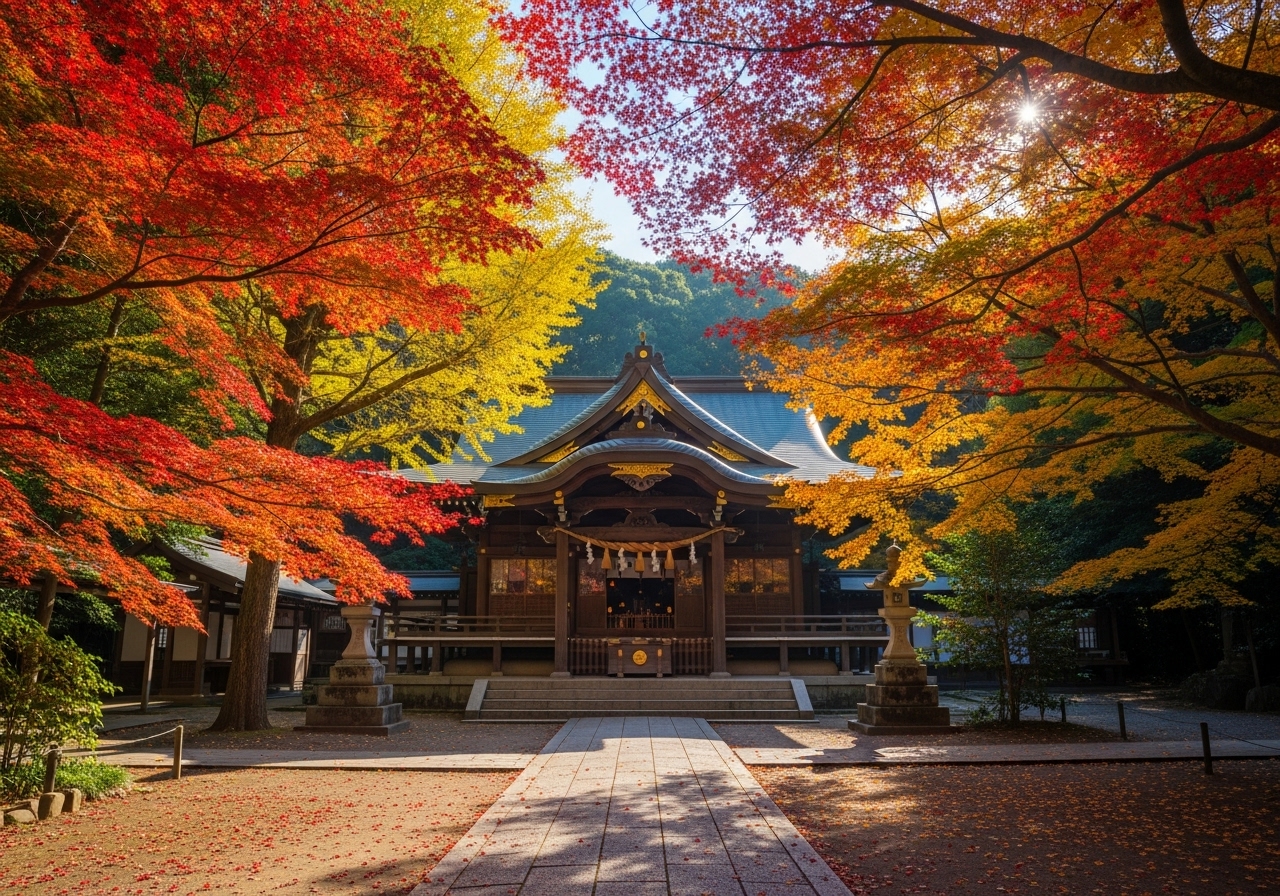
I’ll explain why Atsuta Shrine is popular for autumn foliage viewing in English.
Atsuta Shrine in Nagoya is a revered destination for experiencing autumn foliage for several exceptional reasons:
Sacred Spiritual Significance: As one of Japan’s most important Shinto shrines, second only to Ise Grand Shrine in spiritual significance, Atsuta Shrine houses the sacred sword Kusanagi-no-Tsurugi, one of the Three Sacred Treasures of Japan. Viewing autumn colors within such hallowed grounds adds profound spiritual and cultural depth to the experience.
Ancient Forest Setting: The shrine is surrounded by approximately 200,000 square meters of ancient forest, creating a natural sanctuary in the heart of urban Nagoya. Walking through this primeval woodland as autumn colors emerge feels like stepping back in time, offering a connection to Japan’s ancient natural landscapes.
Sacred Tree Groves: The shrine grounds feature numerous centuries-old trees, including camphor trees, cedars, and various deciduous species. These venerable trees, some designated as natural monuments, provide a sense of timelessness and continuity that enhances the autumn viewing experience with historical gravitas.
Tranquil Sacred Atmosphere: Despite being in an urban area, Atsuta Shrine maintains an atmosphere of profound serenity and sanctity. The combination of spiritual presence and natural autumn beauty creates a contemplative space where visitors can experience seasonal changes in a context of reverence and peace.
Traditional Architecture: The shrine’s elegant traditional buildings, including the main hall and various auxiliary structures, provide beautiful architectural backdrops for the autumn foliage. The contrast between sacred architecture and natural colors embodies the Shinto principle of harmony between humanity and nature.
Seasonal Ginkgo Displays: Atsuta Shrine is particularly known for its magnificent ginkgo trees that turn brilliant golden yellow in autumn. The sight of golden leaves illuminating the shrine pathways and carpeting the grounds creates an almost ethereal atmosphere.
Japanese Garden Elements: Within the expansive grounds are traditional garden features, stone lanterns, bridges, and ponds that complement the autumn foliage. These carefully designed elements create picture-perfect scenes that reflect centuries of Japanese aesthetic refinement.
Cultural Heritage: With over 1,900 years of history, Atsuta Shrine represents an unbroken thread of Japanese cultural and spiritual tradition. Experiencing autumn here connects visitors not just to nature but to the deep historical roots of Japanese civilization.
Free Admission: The shrine grounds are open to the public free of charge, making this sacred site accessible to everyone. This openness reflects Shinto values while allowing people of all backgrounds to enjoy the autumn beauty.
Treasure Museum: Visitors can combine foliage viewing with exploring the shrine’s treasure museum, which houses important cultural properties and historical artifacts. This adds educational and cultural enrichment to the natural beauty experience.
Local Community Connection: Atsuta Shrine serves as a vital community center for locals who visit for prayers, festivals, and life ceremonies throughout the year. During autumn, the shrine becomes a gathering place where spiritual devotion and seasonal appreciation naturally blend.
Wedding Season: Autumn is a popular season for traditional Shinto weddings at Atsuta Shrine. Visitors might witness beautiful wedding processions in traditional attire against the backdrop of autumn colors—a moving display of living Japanese culture.
Seasonal Festivals: The shrine hosts various seasonal events and festivals during autumn, including traditional performances and ceremonies. These authentic religious and cultural activities provide deeper context for understanding Japanese traditions.
Peaceful Walking Paths: The extensive grounds feature numerous tree-lined paths that invite leisurely exploration. Unlike crowded tourist spots, visitors can find quiet corners for contemplation while surrounded by autumn colors and ancient trees.
Urban Oasis: Located conveniently near Jingu-mae Station on the Meitetsu line, Atsuta Shrine offers an easily accessible escape from urban noise. This combination of accessibility and tranquility makes it ideal for quick visits or extended contemplative walks.
Photographic Spirituality: The combination of torii gates, sacred architecture, ancient trees, and autumn colors creates deeply evocative photographic opportunities. These images capture not just beauty but the essence of Japanese spiritual aesthetics.
Connection to Nature Worship: Shinto’s fundamental reverence for nature (kami dwelling in natural elements) gives special meaning to autumn foliage viewing at Atsuta. The changing leaves aren’t just beautiful—they represent the sacred rhythms of nature that Shinto celebrates.
Year-Round Significance: While beautiful in autumn, Atsuta Shrine’s importance transcends any single season. Visiting during autumn allows people to experience one aspect of the shrine’s eternal cycle of seasonal transformations.
The combination of profound spiritual significance as one of Japan’s most sacred sites, ancient forest atmosphere, 1,900 years of unbroken history, magnificent ginkgo displays, and its role as a living center of Shinto practice makes Atsuta Shrine one of Nagoya’s most meaningful autumn destinations. Here, autumn foliage viewing becomes more than aesthetic appreciation—it transforms into a spiritual encounter with Japan’s deepest cultural and religious traditions, where the beauty of nature and the sacred seamlessly intertwine.

