Contents
Kokura Castle(小倉城)
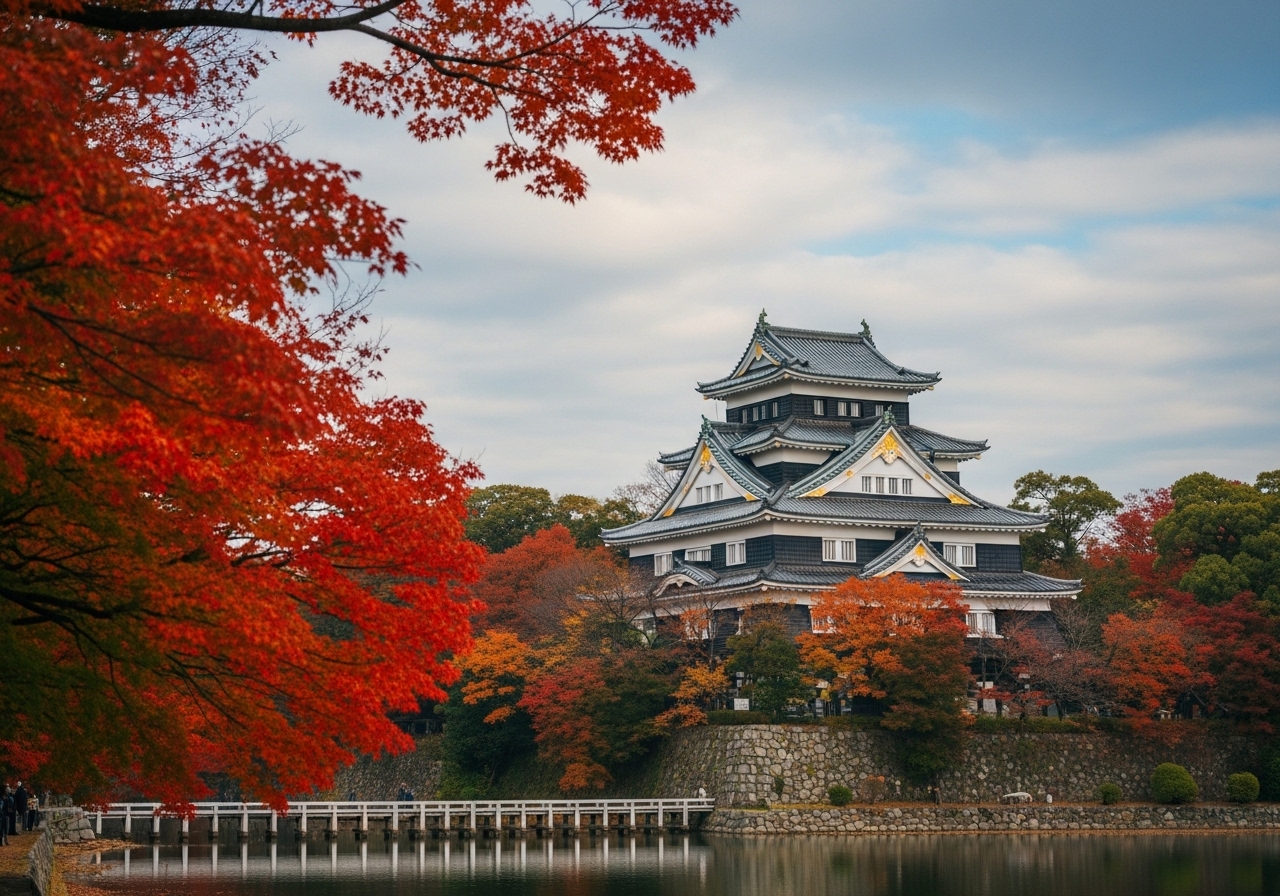
Kokura Castle is a popular destination for autumn foliage for several reasons:
Scenic Castle-Nature Combination The castle offers a beautiful blend of traditional Japanese architecture with vibrant fall colors. The contrast between the white castle walls and the red, orange, and yellow leaves creates stunning photographic opportunities.
Katsuyama Park Setting The castle is located within Katsuyama Park, which features numerous Japanese maple trees and ginkgo trees. These species are known for their spectacular autumn transformation, with maples turning brilliant red and ginkgos displaying golden yellow hues.
Accessible Urban Location Situated in Kitakyushu city center, the castle provides convenient access to nature’s beauty without traveling far from urban amenities. Visitors can easily combine castle tourism with enjoying the seasonal colors.
Historical Atmosphere The castle grounds and surrounding traditional gardens create an authentic Japanese atmosphere that enhances the autumn viewing experience. Walking through the park while admiring both the historic architecture and seasonal foliage offers a uniquely Japanese cultural experience.
Timing and Climate The Kitakyushu region typically experiences peak autumn colors in mid-November through early December, and the castle’s elevation and park layout provide varied viewing spots at different heights and angles.
The combination of cultural heritage, natural beauty, and accessibility makes Kokura Castle a beloved spot for both locals and tourists during the autumn season.
Akizuki Castle Ruins (秋月城跡)
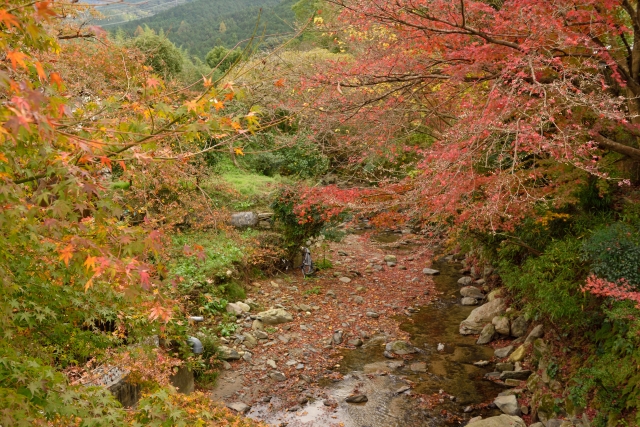
Akizuki Castle Ruins (Akizuki Castle Town) in Fukuoka Prefecture is renowned as one of Kyushu’s premier autumn foliage destinations for several compelling reasons:
Historic Castle Town Atmosphere Akizuki preserves the ambiance of a traditional Japanese castle town from the Edo period. The combination of historic stone walls, gates, and traditional streetscapes with vibrant autumn colors creates an enchanting, nostalgic atmosphere that transports visitors back in time.
The Famous Maple Tunnel The area is particularly famous for its “maple tunnel” (momiji no tunnel) – a stunning corridor formed by Japanese maple trees along the approach to the castle ruins. When the leaves turn crimson in autumn, this creates a breathtaking canopy of red overhead, making it one of the most photographed spots in Fukuoka.
Kuromon Gate (Black Gate) The iconic Kuromon, the remaining gate of the original castle, is framed beautifully by maple trees. The contrast between the dark, historic gate and the brilliant red foliage is exceptionally picturesque and has become a signature image of autumn in Kyushu.
Peaceful Mountain Setting Located in a quiet mountain valley away from urban areas, Akizuki offers a serene, almost hidden atmosphere. The natural setting enhances the foliage viewing experience with its tranquil streams, traditional bridges, and rural charm.
Cultural Significance Often called “Little Kyoto of Chikuzen,” Akizuki maintains traditional crafts, local shops, and seasonal festivals that complement the autumn viewing experience, offering cultural immersion alongside natural beauty.
The combination of well-preserved history, spectacular natural scenery, and peaceful rural charm makes Akizuki Castle Ruins a must-visit destination for autumn foliage enthusiasts.
Mount Hiko(英彥山)
Mount Hiko is celebrated as one of Kyushu’s most spectacular autumn foliage destinations for several reasons:
Sacred Mountain Heritage Mount Hiko is one of Japan’s three major mountains for Shugendo (mountain asceticism) along with Mount Yoshino and Mount Kumano. This sacred status means the mountain is dotted with shrines, temples, and spiritual sites that create a mystical atmosphere when surrounded by autumn colors, offering both natural beauty and spiritual depth.
Diverse Elevation and Extended Season Standing at 1,199 meters, the mountain’s significant elevation creates multiple foliage zones. The colors gradually descend from the peak starting in late October through mid-November, allowing visitors an extended viewing season and the chance to see different stages of autumn transformation in a single visit.
Rich Forest Biodiversity The mountain features diverse tree species including Japanese maples, beech, oak, and birch trees. This variety creates a remarkable palette of colors – brilliant reds, oranges, yellows, and browns – that paint the mountainside in layers of contrasting hues.
Dramatic Mountain Scenery The combination of rugged rocky outcrops, ancient cedar forests, mountain streams, and traditional stone steps creates dynamic viewing perspectives. The Hiko Shrine precincts, copper torii gate, and mountain trails offer countless scenic viewpoints.
Accessible Nature Experience A scenic ropeway (cable car) provides easy access to higher elevations, allowing visitors of varying fitness levels to enjoy panoramic views of the autumn-colored mountains. The aerial perspective offers breathtaking vistas of the foliage-covered peaks and valleys below.
Cultural and Natural Integration Historic pilgrimage paths, centuries-old shrine buildings, and towering ancient trees create a harmonious blend where cultural heritage and natural splendor enhance each other, making the autumn experience both visually stunning and spiritually enriching.
Mount Hiko’s combination of sacred atmosphere, spectacular mountain scenery, and accessible viewing options makes it an unforgettable autumn destination.
Chinkoku-ji Temple (鎮國寺)
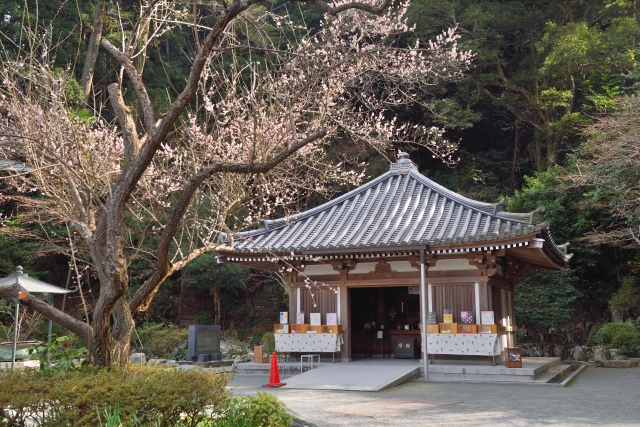
Chinkoku-ji Temple in Fukuoka Prefecture is beloved as an autumn foliage destination for several distinctive reasons:
Historic Buddhist Temple Founded in 806 by the famous monk Kukai (Kobo Daishi), Chinkoku-ji is the oldest Shingon Buddhist temple in Kyushu. The temple’s ancient buildings and sacred atmosphere provide a profound spiritual backdrop to the seasonal beauty, creating a contemplative space for enjoying autumn colors.
Intimate Garden Setting Unlike larger sites, Chinkoku-ji offers a more intimate viewing experience. The temple grounds feature carefully designed Japanese gardens where maples and other trees are strategically planted to frame temple buildings, creating perfectly composed scenes that feel like living paintings.
Vibrant Maple Display The temple is particularly known for its Japanese maple trees (momiji) that turn brilliant shades of crimson and scarlet. The concentration of maples in the relatively compact temple grounds creates an intense, immersive experience of autumn color.
Reflective Pond Scenery The temple features a pond that beautifully reflects the surrounding maple trees and temple structures. This mirror-like reflection doubles the visual impact of the foliage and creates stunning photographic opportunities, especially on calm days.
Peaceful, Less Crowded Atmosphere Compared to more famous destinations, Chinkoku-ji tends to be less crowded, allowing visitors to enjoy the autumn colors in a more tranquil, meditative setting. This peaceful environment is perfect for those seeking a quieter appreciation of nature’s beauty.
Cultural Heritage and Natural Beauty The combination of ancient temple architecture, Buddhist statuary, stone lanterns, and traditional gates surrounded by fiery autumn foliage creates a quintessentially Japanese aesthetic experience that appeals to both cultural and nature enthusiasts.
Chinkoku-ji Temple’s blend of spiritual significance, intimate garden beauty, and serene atmosphere makes it a cherished spot for autumn foliage appreciation in northern Kyushu.
Kawachi Fujien (河內藤園)
Kawachi Fujien in Kitakyushu is renowned for autumn foliage, though it’s actually most famous for its spectacular wisteria displays in spring. Here’s why it attracts visitors during autumn as well:
Magical Tunnel Experience While the garden is world-famous for its wisteria tunnels in spring, during autumn these same tunnel structures are surrounded by Japanese maples and other deciduous trees. Walking through these tunnels with autumn foliage overhead and around creates an enchanting, almost fairytale-like atmosphere.
Dramatic Color Transformation The garden features numerous maple trees that turn vibrant shades of red, orange, and yellow in autumn. The密集した planted arrangement creates an intense concentration of color that can be breathtaking, with the autumn palette offering a completely different but equally stunning experience compared to the spring wisteria.
Unique Garden Design The terraced hillside garden design provides multiple viewing levels and perspectives. Visitors can experience the foliage from various angles – looking down into valleys of red maples, walking through colored canopies, or viewing the hillside painted in autumn hues from below.
Private Garden Intimacy As a privately owned garden, Kawachi Fujien maintains a more exclusive, carefully curated atmosphere. The limited visitor numbers (reservation often required) ensure a quality viewing experience without overwhelming crowds.
Photographic Paradise The combination of artistic garden design, tunnel structures, and concentrated foliage creates extraordinary photographic opportunities. The interplay of light filtering through colored leaves and the geometric patterns of the tunnels make for memorable images.
Seasonal Contrast Appeal For those who visited during the famous wisteria season, autumn offers a chance to see the same beloved location transformed by a completely different color palette, showcasing nature’s seasonal variety.
Kawachi Fujien’s unique garden architecture and concentrated autumn colors make it a special destination for those seeking an immersive foliage experience.
Nyoirin-ji Temple(如意輪寺)
I’ll explain why Nyoirin-ji Temple is popular for autumn foliage viewing in English.
Nyoirin-ji Temple in Fukuoka Prefecture is celebrated as an exceptional autumn foliage destination for several compelling reasons:
Kaeru-dera (Frog Temple) Character Nyoirin-ji is famously known as “Kaeru-dera” or “Frog Temple” because it houses over 10,000 frog statues and ornaments throughout its grounds. The whimsical combination of these charming frog figures with brilliant autumn foliage creates a unique and delightful viewing experience found nowhere else.
Spectacular Hillside Setting Located on a scenic hillside, the temple offers panoramic views of the surrounding valleys and mountains adorned with autumn colors. The elevated position provides dramatic vistas where visitors can see layers of foliage-covered landscape stretching into the distance.
Intensive Maple Plantings The temple grounds feature an abundance of Japanese maple trees strategically planted throughout the property. When these trees turn crimson and scarlet in autumn, they create a sea of red that envelops the temple buildings, pathways, and the countless frog statues.
Garden Pathways and Viewing Spots Well-designed walking paths wind through the temple grounds, offering constantly changing perspectives of the autumn colors. Stone steps, traditional gates, and carefully placed viewing platforms allow visitors to experience the foliage from multiple angles and heights.
Cultural and Playful Fusion The temple successfully blends serious Buddhist spirituality with playful folk culture. The sight of contemplative frog statues surrounded by fiery autumn leaves creates memorable, Instagram-worthy scenes that appeal to both traditional temple visitors and casual tourists.
Peaceful Atmosphere Despite its unique character, Nyoirin-ji maintains a tranquil, meditative atmosphere. The combination of natural beauty, spiritual space, and whimsical art creates a joyful yet peaceful environment for autumn appreciation.
Local Hidden Gem While popular locally, Nyoirin-ji remains less internationally known than major tourist sites, offering a more authentic and less crowded experience for those who discover it.
Nyoirin-ji Temple’s distinctive combination of thousands of frog statues, stunning maple foliage, and hillside views makes it one of Kyushu’s most unique and memorable autumn destinations.
Komyo-zenji Temple(光明禪寺)
I’ll explain why Komyo-zenji Temple is popular for autumn foliage viewing in English.
Komyo-zenji Temple in Dazaifu, Fukuoka Prefecture, is renowned as one of Kyushu’s finest autumn foliage destinations for several exceptional reasons:
Exquisite Zen Garden Design Komyo-zenji features two masterfully designed Zen gardens that are considered among the most beautiful in Kyushu. The front garden uses raked gravel to represent the ocean with rocks symbolizing land, while the rear moss garden creates patterns suggesting light and water. When framed by autumn foliage, these gardens become breathtaking works of living art.
Moss Garden Perfection The temple’s famous moss garden (koke-dera style) provides a stunning emerald green carpet that contrasts dramatically with the fiery reds, oranges, and yellows of the maple trees above. This color contrast creates an almost painterly effect that’s exceptionally photogenic.
Intimate Viewing Experience The compact temple grounds allow visitors to appreciate the autumn colors from the traditional tatami-mat rooms and wooden verandas. Sitting quietly while gazing at the garden framed by the temple architecture offers a quintessentially Japanese contemplative experience.
Strategic Maple Placement Japanese maple trees are artfully positioned throughout the gardens to create focal points and frame specific views. The deliberate design ensures that every angle offers a carefully composed scene where architecture, stone, moss, and foliage harmonize perfectly.
Convenient Dazaifu Location Located near the famous Dazaifu Tenmangu Shrine, Komyo-zenji is easily accessible and can be combined with other cultural sites. Despite this convenience, it often remains quieter than nearby attractions, offering a peaceful retreat.
Photographic Paradise The temple is beloved by photographers for its perfect composition opportunities. The contrast between the geometric precision of Zen design and the organic beauty of autumn leaves, combined with the rich color palette, creates extraordinary images.
Seasonal Transformation While beautiful year-round, the autumn season transforms the temple into something truly magical. The combination of the permanent Zen garden elements with the temporary glory of fall foliage demonstrates the Japanese aesthetic principle of appreciating transient beauty (mono no aware).
Cultural Depth As a Zen Buddhist temple with deep historical roots, Komyo-zenji offers more than just visual beauty. The meditative atmosphere and spiritual significance add layers of meaning to the autumn viewing experience.
Komyo-zenji Temple’s perfect fusion of refined Zen garden artistry, strategic maple plantings, and contemplative atmosphere makes it an essential destination for autumn foliage enthusiasts seeking both aesthetic beauty and spiritual tranquility.
Katsuyama Park (勝山公園)
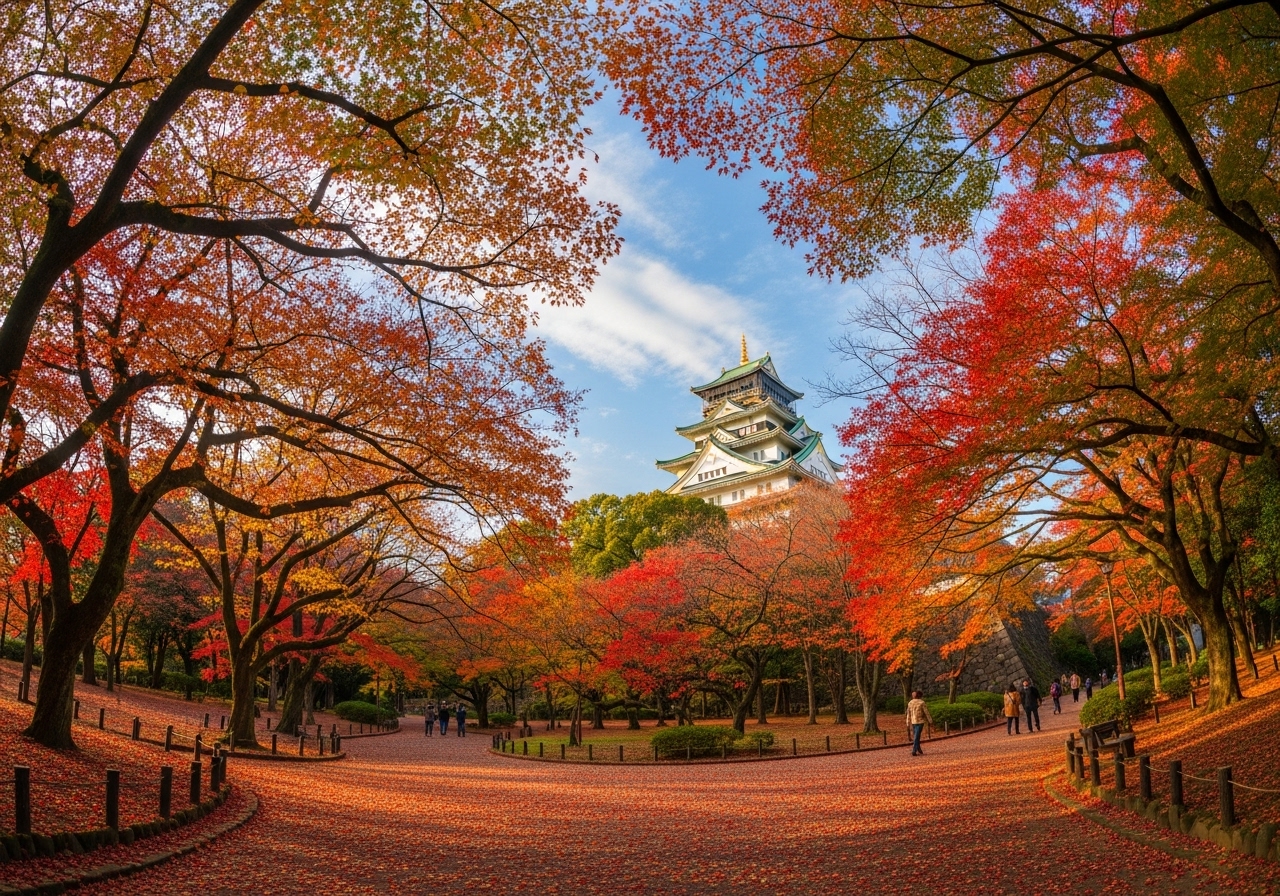
Katsuyama Park in Kitakyushu is a beloved autumn foliage destination for several excellent reasons:
Kokura Castle Setting The park surrounds the historic Kokura Castle, creating a perfect combination of cultural heritage and natural beauty. The contrast between the castle’s white walls and dark roof against the brilliant reds, oranges, and yellows of autumn foliage provides stunning visual appeal and excellent photographic opportunities.
Extensive Tree Coverage Katsuyama Park features a diverse collection of trees including Japanese maples, ginkgos, cherry trees, and zelkovas. This variety creates a rich tapestry of autumn colors throughout the park, with different species contributing various shades and textures to the overall display.
Urban Oasis Accessibility Located in the heart of Kitakyushu city center, the park offers convenient access to nature’s seasonal beauty without leaving the urban area. This accessibility makes it easy for both locals and tourists to enjoy autumn foliage as part of their daily activities or sightseeing.
Walking Paths and Open Spaces The park features well-maintained walking paths, open lawns, and various rest areas that allow visitors to explore and enjoy the foliage at their own pace. The layout provides both shaded tree-lined walks and open areas where sunlight illuminates the colorful leaves.
Family-Friendly Environment With playgrounds, spacious grounds, and gentle terrain, Katsuyama Park welcomes visitors of all ages. Families can enjoy picnics under autumn trees while children play, making it a relaxed and inclusive foliage-viewing destination.
Multiple Viewing Perspectives The park’s varied topography offers different viewing angles – from ground level among the trees to elevated positions near the castle where visitors can overlook the park’s colorful canopy. This diversity of perspectives enhances the viewing experience.
Cultural Events and Activities During autumn, the park often hosts seasonal festivals, tea ceremonies, and cultural events that complement the foliage viewing. The combination of natural beauty and cultural programming creates a richer, more engaging experience.
Historical Layers Beyond the castle, the park contains various historical monuments, shrines, and traditional garden elements. These cultural features add depth and interest to autumn walks, connecting visitors with the area’s heritage while enjoying seasonal nature.
Extended Season Appeal With its variety of tree species that change color at slightly different times, Katsuyama Park offers an extended autumn viewing season from mid-October through late November, allowing flexibility for visitors.
Katsuyama Park’s combination of urban convenience, historical significance, diverse foliage, and family-friendly amenities makes it one of Kitakyushu’s most popular and accessible autumn destinations.
Kumamoto Castle (熊本城)
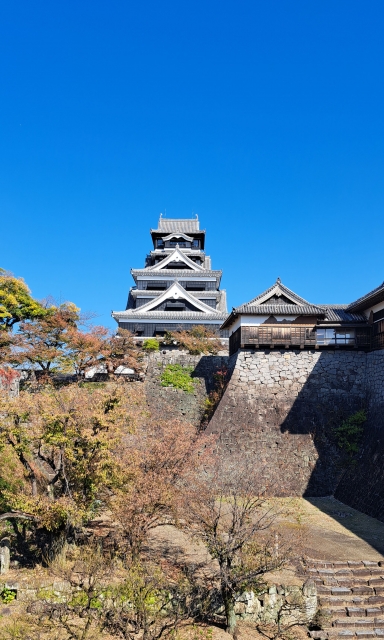
Kumamoto Castle is one of Japan’s most magnificent castles and a celebrated autumn foliage destination for several compelling reasons:
Iconic Castle Architecture Kumamoto Castle is considered one of Japan’s three premier castles, featuring impressive stone walls, imposing towers, and extensive fortifications. The majestic black castle structures create a dramatic contrast with the vibrant autumn colors, producing some of Japan’s most iconic castle-and-foliage scenery.
Extensive Castle Grounds The castle complex encompasses vast grounds with numerous trees planted throughout. This expansive area features Japanese maples, ginkgos, and other deciduous trees that transform the entire castle precinct into a colorful autumn landscape, offering extended walking routes through varied scenery.
Strategic Tree Placement Trees are positioned to frame key castle structures and viewpoints. Whether viewing the main keep from below or looking out from elevated positions, visitors encounter carefully composed scenes where architecture and autumn foliage complement each other beautifully.
Historical Depth and Resilience The castle’s dramatic history, including its recent recovery from the 2016 Kumamoto earthquakes, adds emotional resonance to visits. Seeing the restored castle surrounded by the cyclical beauty of autumn foliage symbolizes renewal and perseverance, making the experience more meaningful.
Multiple Viewing Elevations The castle’s hillside position and multi-level layout provide diverse perspectives. Visitors can admire foliage-framed castle views from the lower grounds, experience autumn colors at mid-level ramparts, and enjoy panoramic views of the surrounding city and mountains from upper levels.
Ginkgo Tree Highlights The castle grounds feature several magnificent ginkgo trees that turn brilliant golden yellow in autumn. These towering trees, some quite ancient, create spectacular focal points and are particularly stunning when backlit by autumn sunlight.
Cultural Significance As one of Kyushu’s most important cultural landmarks, Kumamoto Castle offers more than scenic beauty. The combination of samurai history, architectural grandeur, and natural seasonal change provides a comprehensive Japanese cultural experience.
Photographic Opportunities The castle is exceptionally photogenic during autumn, offering countless angles for memorable photographs – from the imposing stone walls rising through colored foliage to delicate maple branches framing castle towers against blue skies.
Urban Accessibility Located in central Kumamoto city, the castle is easily accessible yet provides an immersive historical and natural environment. Visitors can combine castle exploration with urban conveniences and other city attractions.
Night Illuminations During peak autumn season, the castle often features special evening illuminations that light up both the castle structures and surrounding foliage, creating a magical nighttime viewing experience that’s dramatically different from daytime visits.
Kumamoto Castle’s combination of architectural magnificence, historical significance, extensive grounds with diverse foliage, and symbolic importance makes it one of Kyushu’s premier destinations for experiencing autumn’s beauty within a profoundly cultural context.
Kikuchi Gorge (菊池溪谷)
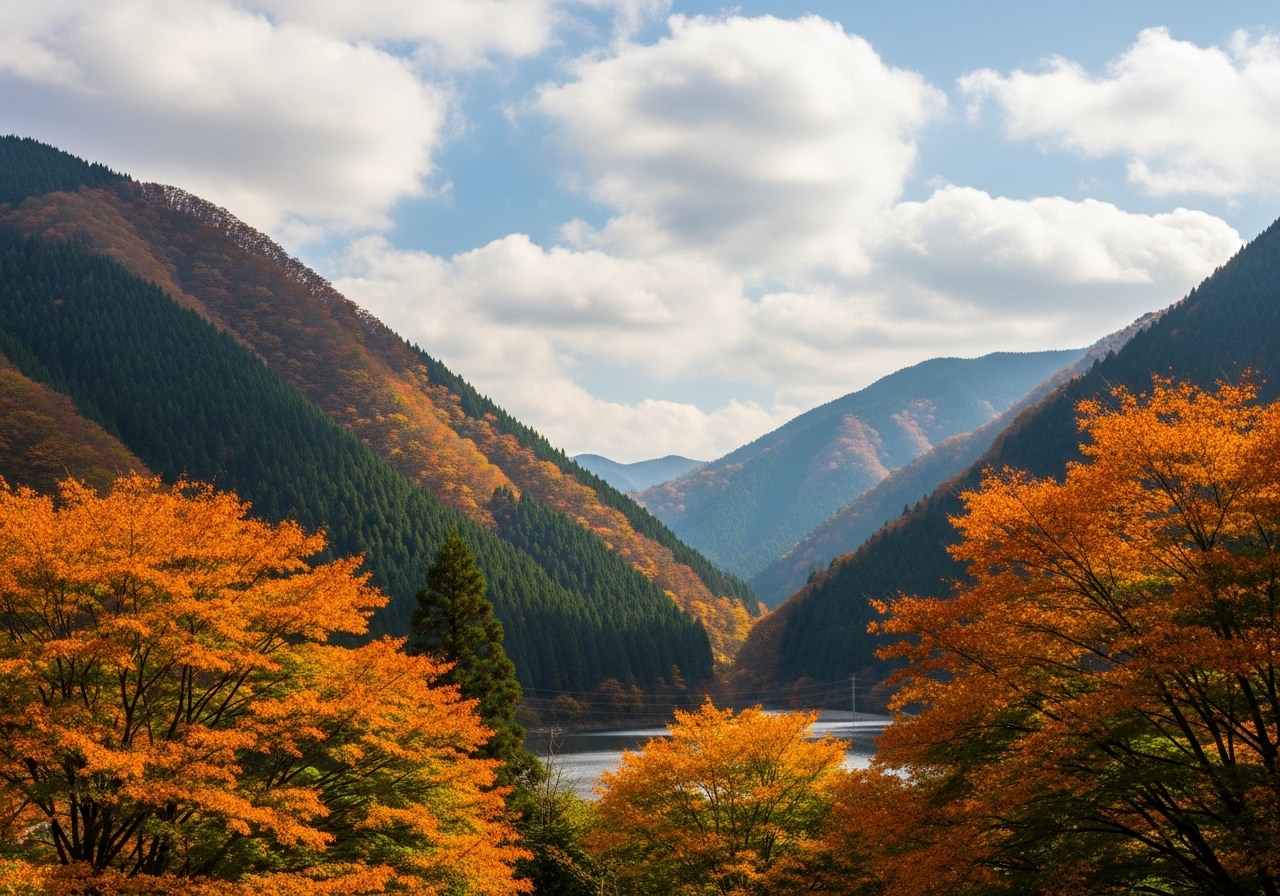
Kikuchi Gorge in Kumamoto Prefecture is celebrated as one of Kyushu’s most spectacular autumn foliage destinations for several outstanding reasons:
Pristine Natural Beauty Kikuchi Gorge is renowned for its crystal-clear streams, cascading waterfalls, and untouched forest landscapes. The gorge’s pure natural environment, free from urban development, allows visitors to experience autumn colors in their most pristine and authentic form.
Exceptional Water Clarity The gorge is famous for having some of Japan’s clearest stream water, selected as one of Japan’s “100 Best Waters.” The transparent emerald and turquoise waters reflecting brilliant autumn foliage create breathtaking mirror images, with red and yellow leaves appearing to float both above and within the stream.
Dramatic Gorge Scenery The steep valley walls, massive moss-covered boulders, rocky outcrops, and numerous waterfalls create a dynamic landscape. When framed by autumn foliage, these geological features add depth and drama to the viewing experience, offering constantly changing perspectives along the trail.
Rich Forest Diversity The gorge features a diverse temperate forest including Japanese maples, beech trees, oak, and other deciduous species. This variety creates a complex palette of colors – deep crimsons, bright oranges, golden yellows, and russet browns – that paint the entire valley in autumn splendor.
Walking Trail Experience Well-maintained hiking trails follow the stream through the gorge, allowing visitors to immerse themselves in the autumn landscape. The paths cross wooden bridges, pass by waterfalls, and wind through forest groves, providing an active and engaging way to experience the foliage.
Refreshing Natural Atmosphere The combination of cool mountain air, the soothing sound of flowing water, negative ions from waterfalls, and the scent of autumn forest creates a rejuvenating sensory experience. This natural therapy aspect makes visiting Kikuchi Gorge both visually and physically refreshing.
Photographic Paradise The gorge offers exceptional photography opportunities with its combination of flowing water, waterfalls, moss-covered rocks, and colorful foliage. Long exposure shots of waterfalls framed by autumn leaves and reflections in crystal pools are particularly stunning.
Accessible Mountain Nature While offering a wilderness experience, Kikuchi Gorge maintains accessible trails suitable for various fitness levels. Visitors can experience deep mountain nature without requiring advanced hiking skills, making spectacular autumn scenery available to more people.
Cool Climate Advantage The gorge’s elevation and mountain location provide cooler temperatures that enhance autumn color intensity. The climate also extends the viewing season, with colors typically peaking from late October through mid-November.
Natural Soundscape Beyond visual beauty, the constant sound of rushing water, rustling leaves, and birdsong creates an immersive natural soundscape that enhances the meditative quality of the autumn experience.
Seasonal Water Features Autumn’s moderate rainfall maintains optimal water levels, making waterfalls and cascades particularly beautiful without the heavy flows that might obscure viewing or create dangerous conditions.
Kikuchi Gorge’s exceptional combination of crystal-clear waters, dramatic valley landscapes, pristine forest foliage, and accessible wilderness trails makes it one of Kyushu’s most beloved destinations for those seeking an immersive, natural autumn experience away from urban environments.

